In April 2023, Community Legal Centres Queensland (CLCQ) received funding to deliver a 12-month Disaster Resilience Community of Practice and Sector Capacity Building Project (the Project).
The Project was jointly financed under the Commonwealth/State Disaster Recovery Funding Arrangements 2018 and administered by the Queensland Department of Communities, Housing and Digital Economy (DCHDE).
The Project’s high-level objective was to support the knowledge and capability of CLC lawyers, staff, volunteers and organisations to deliver targeted and effective place-based legal support across all phases of the disaster cycle.
Disasters are the ultimate stress test for organisational risk planning and management.
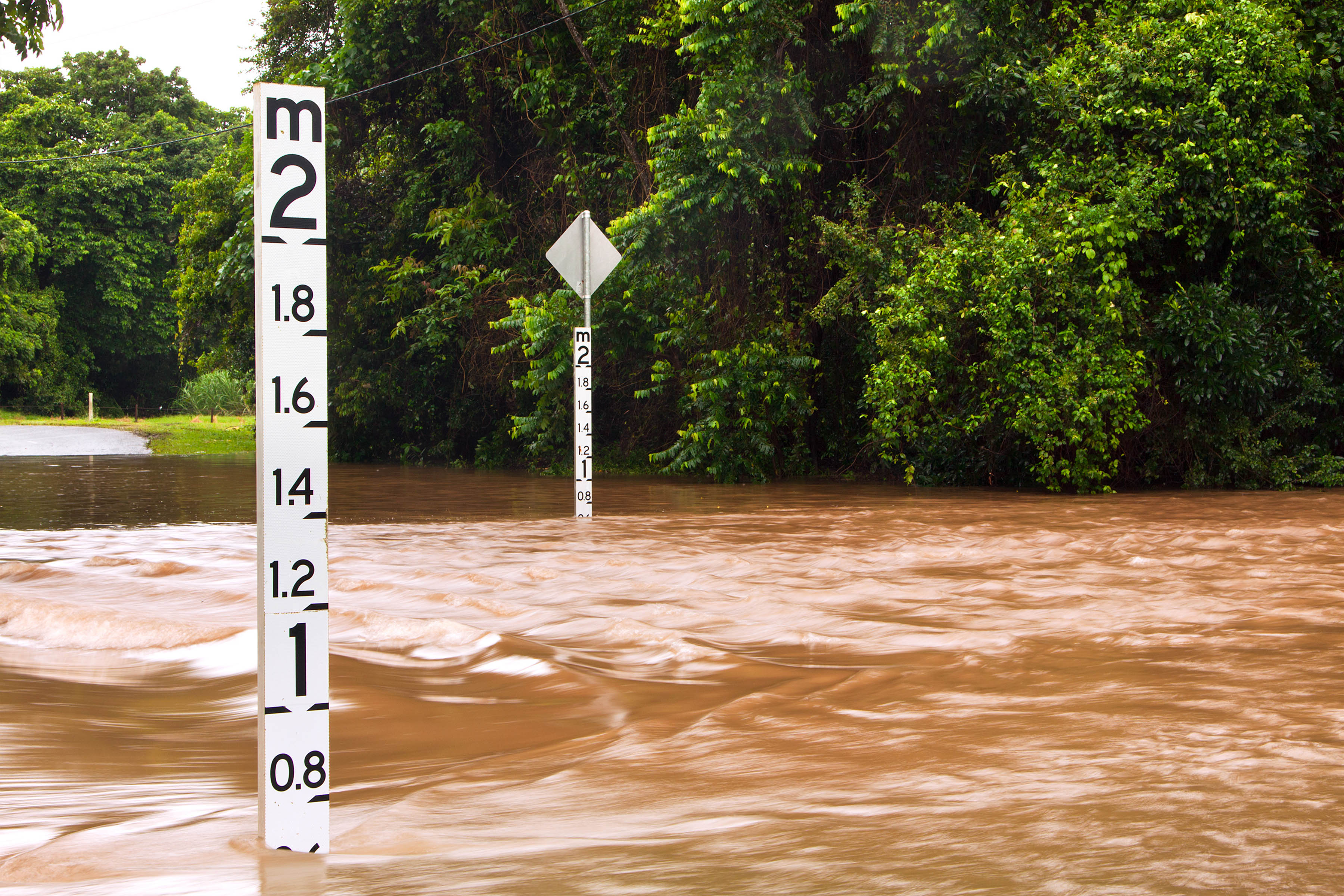
Disasters not only cause service disruption for clients, they can also threaten the workplace safety and wellbeing of staff and volunteers.
As the frequency and intensity of climate change events increases in the coming years, the resilience of our workplaces to withstand climate shocks is now more important than ever.
This Climate Resilience and Adaptive Capacity Checklist (CLCQ Climate Resilience Checklist) is a good starting point for CLC organisational risk planning and management for disaster resilience. It is a self-reflection tool designed to help community legal centre staff and management consider their organisational resilience.
Climate and Nature-related Risk Governance Guide for CLCs
It is often easy to lose sight of the profound existential threat posed by climate change when it is viewed as a risk to be managed.
Queensland is on the frontline of climate change impacts; it is the most disaster-prone state in Australia and will experience some of the harshest climatic projections in the coming decades. These impacts will not affect people equally. They will be unevenly distributed across racial, class, gender, poverty, generational and ethnic lines.
For First Nations peoples, climate change undermines their connection to Country and cultural obligations to care for Country. It also exacerbates everyday injustices across policing, discrimination, homelessness, racism, child protection and systems violence.
As a sector that is guided by principles of self-determination, equality and nondiscrimination, climate change is ultimately a matter of justice and human rights. Advancing climate justice requires First Nations perspectives to be at the heart of all our work. Aboriginal and Torres Strait Islander peoples have unique cultural rights, knowledge, and wisdom about adapting to a changing climate, and caring for Country.
This Climate and Nature-related Risk Governance Guide for CLCs (Guide) is a risk management tool that is situated within a broader context of climate justice.
We recommend that this Guide be applied in the context of CLCs’ ongoing work to develop dialogue, relationships, and trust with First Nations communities. The CLCQ First Nations Framework 2025-2030 provides clear guidance around taking proactive steps to integrate First Nations perspectives across CLC service delivery and governance.
This Guide should be read in conjunction with the Framework for an integrated approach, adopted by all community legal centre staff, leadership and management.
The Guide was developed in consultation with CLCQ members and the CLCQ First Nations Reference Group. Community Legal Centres Queensland wishes to sincerely thank Minister Ellison for producing this Guide on a pro bono basis. It was written by Keith Rovers and Lizzy Enright within the Social Impact team. Led by Penny Sullivan at CLCQ and consulting by Monica Taylor.